Casino Minimum Bet $1 — Small Bets, Real Wins
The one-dollar table is not charity — it is a precision-engineered liquidity trap, and the operators who deploy it know exactly what they are doing. Strip away the marketing gloss and a casino minimum bet $1 floor is a behavioral extraction mechanism, calibrated to convert casual foot traffic into repeat deposit volume without ever triggering the sting of a "cheap" table. 🎰
Most players assume the low floor exists to be generous. Wrong. The math tells a different story entirely. A dollar minimum forces the house edge to work harder per unit of time, so the operator compensates with higher hand velocity, tighter side-bet placement, and aggressive auto-rebuy prompts. The real win for the house is not the single dollar — it is the psychological permission it grants the player to sit longer, rebuy faster, and chase variance with money they would never risk at a $25 table.
The House Edge Math Behind the Dollar Floor
Run the numbers on a $1 blackjack seat at 60 hands per hour and a conservative 0.5% house edge: the expected loss is a measly 30 cents per hour. That looks like nothing. But multiply it across a full-floor deployment of 40 low-limit seats and the grind becomes mechanical, relentless, and — critically — immune to the boom-and-bust volatility that plagues high-limit pits. The casino minimum bet $1 model is the closest thing to a guaranteed rake the floor can engineer.

Here is the part the marketing never says out loud: the $1 floor is a funnel. It pulls in the recreational player, gets them comfortable, then the pit boss upsells them into a $5 or $10 side bet where the true edge lives. The one-dollar seat is the loss leader; the side-bet ladder is the profit center. Any operator who tells you otherwise is either lying or has never read their own floor yield report. 💸
Hardware and Table Architecture Under the Low Limit
Low-limit tables are not just high-limit tables with smaller chips. The hardware is deliberately different. Expect continuous shufflers running at elevated RPM to compress downtime, RFID-enabled chip trays logging every micro-wager, and dealer-assist terminals that flag rebuy patterns in real time. The surveillance stack underneath a casino minimum bet $1 pit is often denser than the VIP floor, because low-limit volume generates the behavioral data that feeds the whole retention engine.
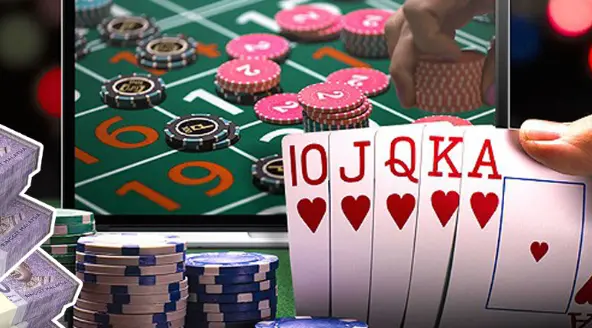
The trap most auditors miss: minimum-bet tables are where algorithmically tuned promotions get stress-tested. Free-play offers, loss-back rebates, and streak bonuses are all calibrated against the low-limit cohort first, because the sample size is massive and the cost per data point is trivial. The dollar seat is effectively a live-fire lab for the entire player-value model. 🛠️
Why the Floor Keeps the Dollar Alive
Strip the table down and the dollar minimum survives because it solves a structural problem no bonus can: it keeps seats full during dead hours without cannibalizing high-limit yield. Empty felt kills perceived value — a packed low-limit pit signals a live, winning floor to every walk-in. The dollar seat is atmosphere with a positive expected value attached to the operator, and the players chasing the dream of a real win off a single buck are the ones subsidizing the neon.
Watch the rebuy velocity instead of the win rate. A dollar table with a high rebuy frequency is printing money for the house regardless of how many small wins land on the felt, and the operators who understand this never touch the minimum — they tune the side-bet ladder and the shuffle rate instead. That is where the real dial sits, and it never moves toward the player.