USA Casino Sign Language Compliance Is a Hard Technical Requirement, Not a Courtesy
Floor managers who treat USA Casino Sign Language access as an optional amenity are running a liability trap with no reset button. The moment a deaf patron requests a Casino Sign Language Interpreter and the pit boss stalls, you are no longer dealing with hospitality — you are dealing with a documented civil rights failure under ADA Title III, and surveillance footage does not forget. I have audited properties where the gap between a request and a qualified interpreter exceeded forty minutes. That is not a staffing problem. That is a structural failure baked into the floor plan.
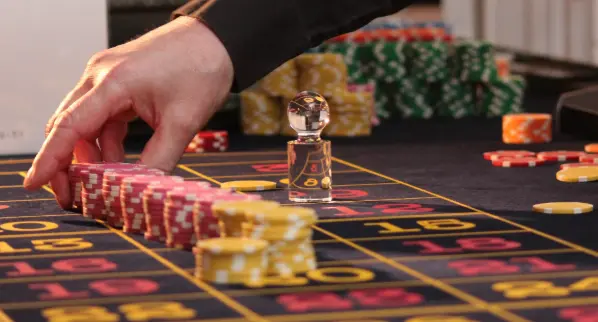
Why Qualified Interpreters in USA Gaming Floors Are a Logistical Nightmare
Gaming floors are hostile acoustic environments. Slot banks emit 85 to 95 decibels of continuous mechanical noise, and that is before the table games crowd starts shouting. A Casino Sign Language Interpreter cannot function in that environment without proper sightlines and lighting. Most properties never map their deaf-accessible zones. They place a table near the sportsbook screen wall, assume the patron can lip-read through a glare field, and call it compliant. That is amateur hour. Real deployment requires pre-mapped sightline corridors, reserved seating with clear line-of-sight to the dealer, and interpreters who understand gaming vocabulary — because signing "hit" versus "stand" versus "double down" without context is a fast track to a dispute the house will lose.
The Staffing Pipeline Is Broken and Nobody Wants to Admit It
Here is the ugly truth: certified interpreters in USA markets who are willing to work casino shifts are scarce. The national certification pipeline produces maybe a few thousand qualified professionals annually, and the gaming industry competes with hospitals, courts, and schools for that talent. Casinos lose that bidding war every time because shift work is brutal and the hours are unpredictable. So what happens? Properties hire uncertified "signers" who know basic ASL but cannot handle rapid-fire gaming dialogue. That is a fraud on the patron and a time bomb for the operator. 😤 If your interpreter cannot parse "the shoe is cold" or "the progressive just hit," they are not an interpreter — they are a warm body with good intentions.

On-Demand Video Interpreting Is Not a Substitute and I Will Die on This Hill
Every operator wants to solve this with a tablet and a video relay service. Let me be blunt: video remote interpreting works for a bank teller window, not for a craps table where the patron needs to see the dice, the dealer, and the interpreter simultaneously. Latency kills comprehension. A two-second delay on a rapid game decision is functionally useless. The only reliable model is a hybrid: on-site certified interpreters for scheduled high-stakes sessions and a vetted on-call roster for walk-ins, with a documented escalation protocol that every floor supervisor can execute without phoning a manager who is off-site. 🎯 Properties that build this roster internally, with retained contracts and quarterly drills, cut their complaint exposure to near zero. Properties that wing it are one viral incident away from a public relations disaster.
Training the Floor Staff Is Where Compliance Actually Lives
You can retain the best interpreter in the state, but if the pit boss does not know how to initiate the request, the system collapses. Training must be mandatory, documented, and tested. Floor staff need to recognize when a patron is requesting accommodation, know the exact escalation chain, and understand that "we'll see what we can do" is not a lawful response. 😤 I have seen properties where the entire compliance program lived in a binder nobody opened. That is theater. Real programs put the request protocol on the pit podium, run quarterly scenario drills, and track response times as a key performance metric. When a patron asks for a Casino Sign Language Interpreter, the clock starts. Every second of delay is a data point in a potential complaint file.